
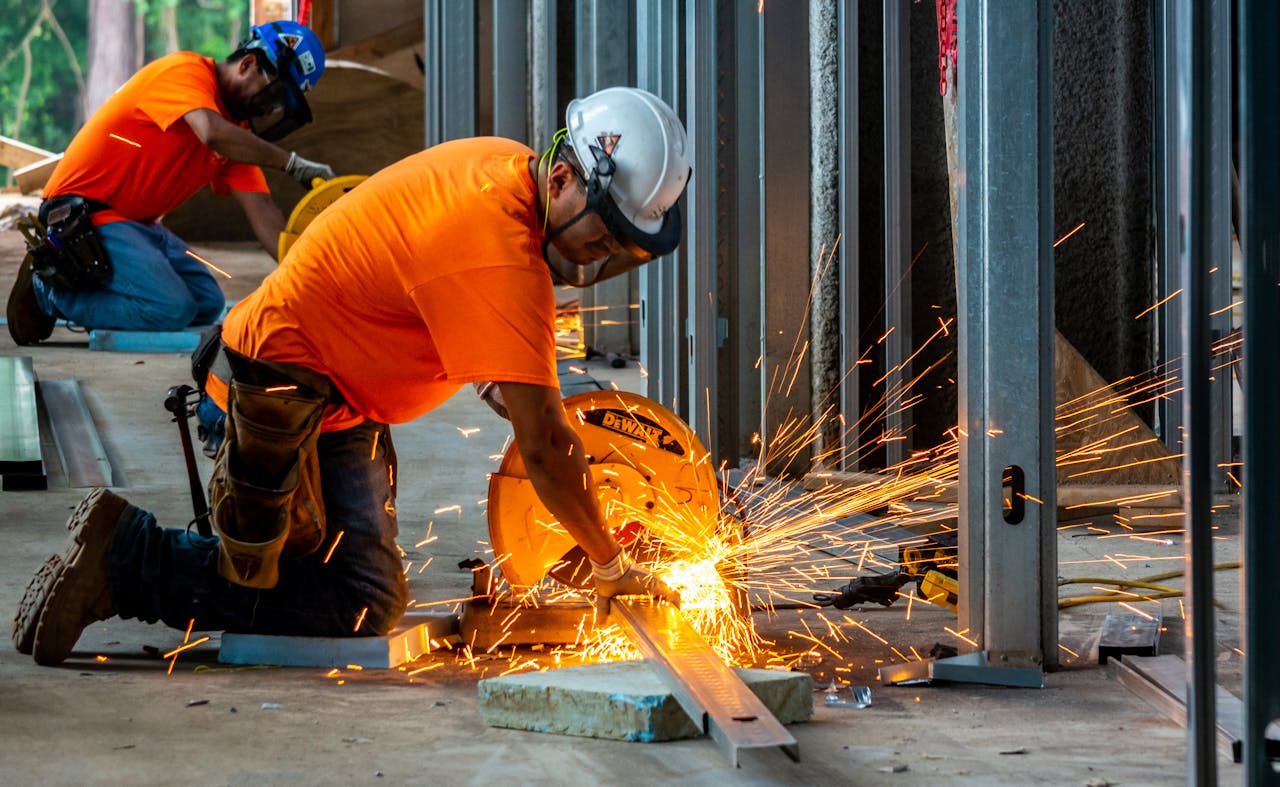
Repetitive motion injuries are increasing across many industries and are becoming some of the most complex and costly workers’ compensation claims. Prevention, documentation, and early reporting are key to controlling costs.
Repetitive Motion Injuries Workers’ Compensation in Santa Ana California: What Employers Should Know
Workers’ compensation claims are no longer dominated only by slips, falls, or machinery accidents. Today, repetitive motion injuries—also known as repetitive use injuries—are creating growing challenges for employers in Santa Ana and across Orange County.
Understanding repetitive motion injuries workers compensation in Santa Ana California is essential for protecting your workforce and managing insurance costs.
What Are Repetitive Motion Injuries?
Unlike injuries caused by a single incident, repetitive motion injuries develop gradually over time. They result from tasks or postures repeated hundreds or thousands of times.
Common examples include:
- Wrist, shoulder, or knee pain
- Neck and back strain
- Tendonitis or carpal tunnel syndrome
Because there’s no single accident date, these claims are often harder to investigate and can remain open for years.
Why These Claims Are So Challenging
Repetitive motion claims can be difficult because:
- Symptoms develop slowly
- Employees may not recall when pain first started
- Medical providers must link job duties directly to the injury
- Employers often lack detailed ergonomic records
In California, courts increasingly recognize repetitive trauma as compensable—even without a specific injury event—making these claims more common and more expensive.
Jobs Where Repetitive Injuries Are Most Common
In Santa Ana and surrounding areas, repetitive motion injuries frequently occur in roles such as:
- Nurses lifting or supporting patients
- Warehouse workers twisting and lifting
- Retail employees stocking shelves
- Construction workers using vibrating tools
- Office employees working at poorly designed desks
Both physical labor and prolonged static postures contribute to rising claims.
Why Multi-State Employers Face Added Risk
Workers’ compensation laws vary widely by state. California is among the states that allow repetitive trauma claims even without a defined injury date.
This creates added exposure for employers operating in multiple states, as the same job task may be treated differently depending on location.
What Employers Can Do to Reduce Risk
Preventing repetitive motion injuries is far more effective than managing claims later.
Practical steps include:
- Conduct ergonomic evaluations for each role
- Adjust workstations to fit the worker
- Rotate tasks to reduce repetitive strain
- Encourage short, frequent breaks
- Train employees on proper posture and lifting
- Promote early reporting of discomfort
- Document job duties and physical requirements
Employees are more likely to report symptoms early when they feel supported rather than punished.
Why Prevention Impacts Insurance Costs
Repetitive motion workers’ comp claims often:
- Stay open longer
- Expand to multiple body parts
- Increase legal and medical expenses
Over time, this can affect your experience modification factor (X-Mod) and drive up insurance premiums.
How Insurance Planning Fits In
Even with strong prevention programs, claims can still happen.
Established in 1989, Neighborhood Insurance Agency is a trusted local provider. We help Santa Ana employers understand workers’ compensation exposure, implement risk-management strategies, and secure coverage that supports long-term stability.
Because proactive planning is the key to your peace of mind.
👉 Get a quote or talk to us today.

Santa Ana, CA 92705
Reference
California Department of Industrial Relations. (2024). Workers’ Compensation in California: A Guidebook for Injured Workers. Retrieved from https://www.dir.ca.gov/injuredworkerguidebook/injuredworkerguidebook.html
Occupational Safety and Health Administration. (2024). IWork-relataed Musculoskeletal Disorders Retrieved from https://www.osha.gov/etools/hospitals/heliport/work-related-musculoskeletal-disorders