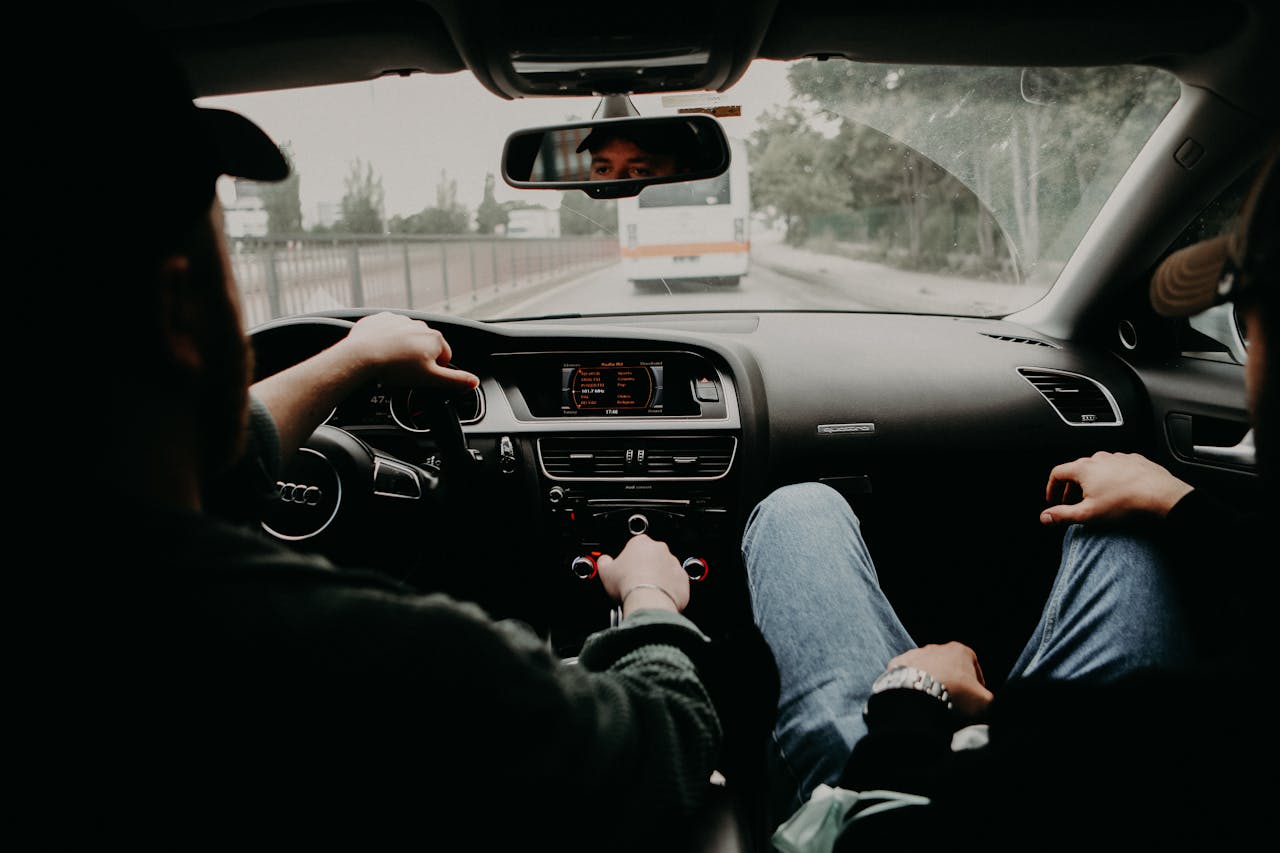
Winter driving in Southern California still brings risks like rain, slick roads, and mountain snow. Slowing down, preparing your vehicle, and driving defensively can help prevent accidents.
Winter Driving in Southern California Is Still Risky
Winter in Santa Ana doesn’t usually mean snow — but it does mean rain, poor visibility, slick roads, and weekend trips to mountain areas like Big Bear or Wrightwood.
Many local accidents happen not because of snow, but because drivers underestimate how wet pavement, oil buildup, fog, and sudden weather changes affect stopping distance and control.
If you must drive during winter conditions, these practical steps can help keep you safe.
Smart Winter Driving Habits That Actually Work
Slow Down and Create Space
Wet roads reduce traction dramatically.
Do this:
- Drive slower than usual
- Leave at least 3x normal following distance
- Brake gently to avoid skidding
Example:
On the 5 or 55 freeway during rain, stopping takes much longer than on dry pavement.
Increase Visibility
If you can’t see clearly, neither can other drivers.
Simple steps:
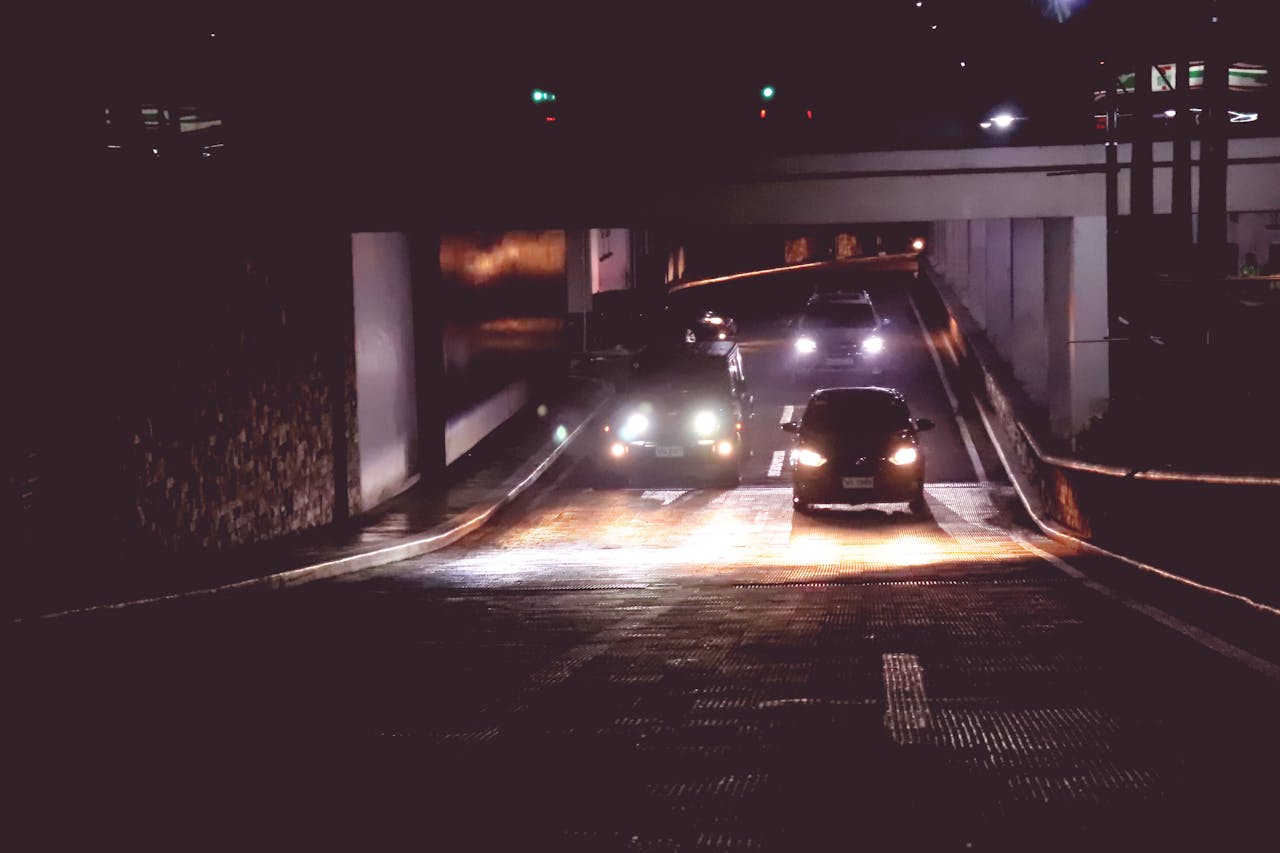
- Turn headlights on in rain or fog
- Keep headlights, taillights, and windshield clean
- Use defrosters and working windshield wipers
Be Extra Careful on Bridges & Hills
Bridges, overpasses, and shaded roads get slick first — even when temperatures are above freezing.
Example:
Morning rain plus cooler air can create slick conditions on freeway overpasses near downtown Santa Ana.
Avoid Cruise Control in Wet Conditions
Cruise control can reduce your ability to react quickly if you lose traction. Stay in control manually during rain or icy conditions.
What to Do If You Lose Traction
If your vehicle begins to skid:
- Take your foot off the accelerator
- Steer gently in the direction you want the car to go
- Avoid slamming the brakes
ABS brakes:
Apply steady pressure — the pulsing is normal.
What to Do If You Get Stuck (Mountain or Snow Areas)
If you travel to snowy areas:
- Don’t spin your wheels
- Turn wheels side to side to create space
- Use sand, gravel, or kitty litter for traction
- Rock the vehicle gently between forward and reverse
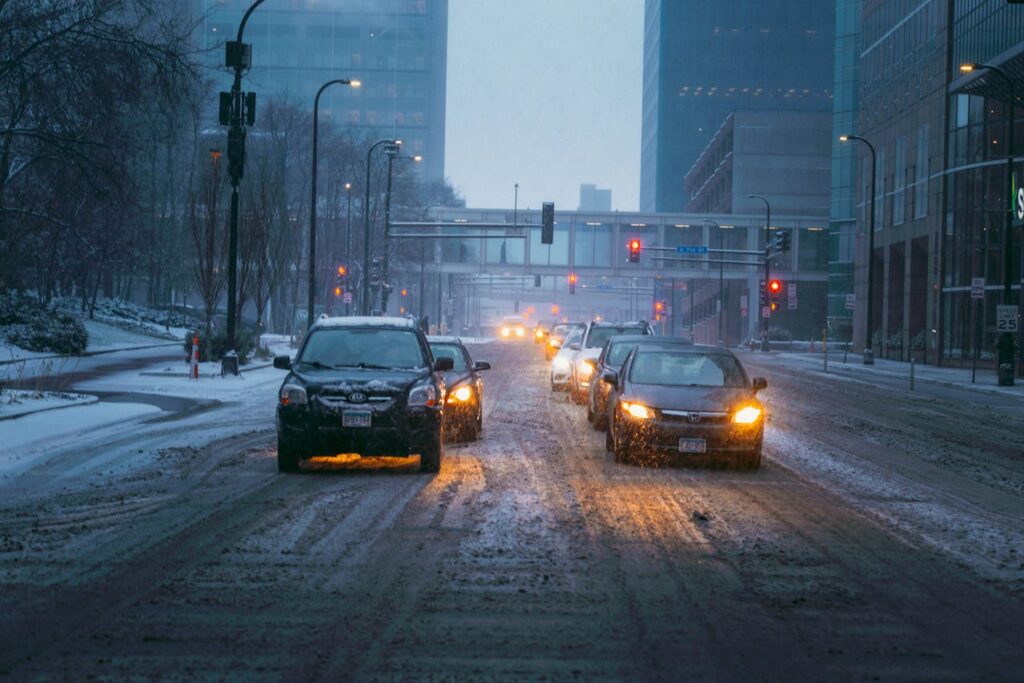
Prepare Your Vehicle Before Winter Trips
Vehicle Safety Checklist
- Brakes: Ensure they’re responsive
- Tires: Check tread and air pressure (cold lowers pressure)
- Lights: Headlights, brake lights, signals all working
- Windshield: Heater, defroster, wipers in good condition
Items to Keep in Your Car
- Ice scraper & windshield fluid
- Chains (if heading to snow areas)
- Sand or kitty litter
- Blanket, water, phone charger
Seatbelts Still Matter — Especially in Winter
Seatbelts save lives in all weather, but especially during winter when accidents are more likely. Buckle up every trip — short or long.
Peace of Mind Goes Beyond Driving Skills
Even the safest drivers can face unexpected accidents. Having the right auto insurance coverage helps protect you financially when the unexpected happens.
Since 1989, Neighborhood Insurance Agency has helped Santa Ana and Orange County drivers find coverage that fits their real driving habits — from daily commutes to winter road trips.
👉 Contact us today for a free auto insurance review or quote.
Santa Ana, CA 92705
Reference
References (APA Style)
AAA. (2024). Winter driving tips.
https://exchange.aaa.com/safety/driving-advice/winter-driving-tips/
National Highway Traffic Safety Administration. (2023). Driving in winter weather.
https://www.nhtsa.gov/winter-driving-tips
California Highway Patrol. (2024). Winter driving safety.
https://www.chp.ca.gov/programs-services/services-information/Winter-Driving-Tips/