
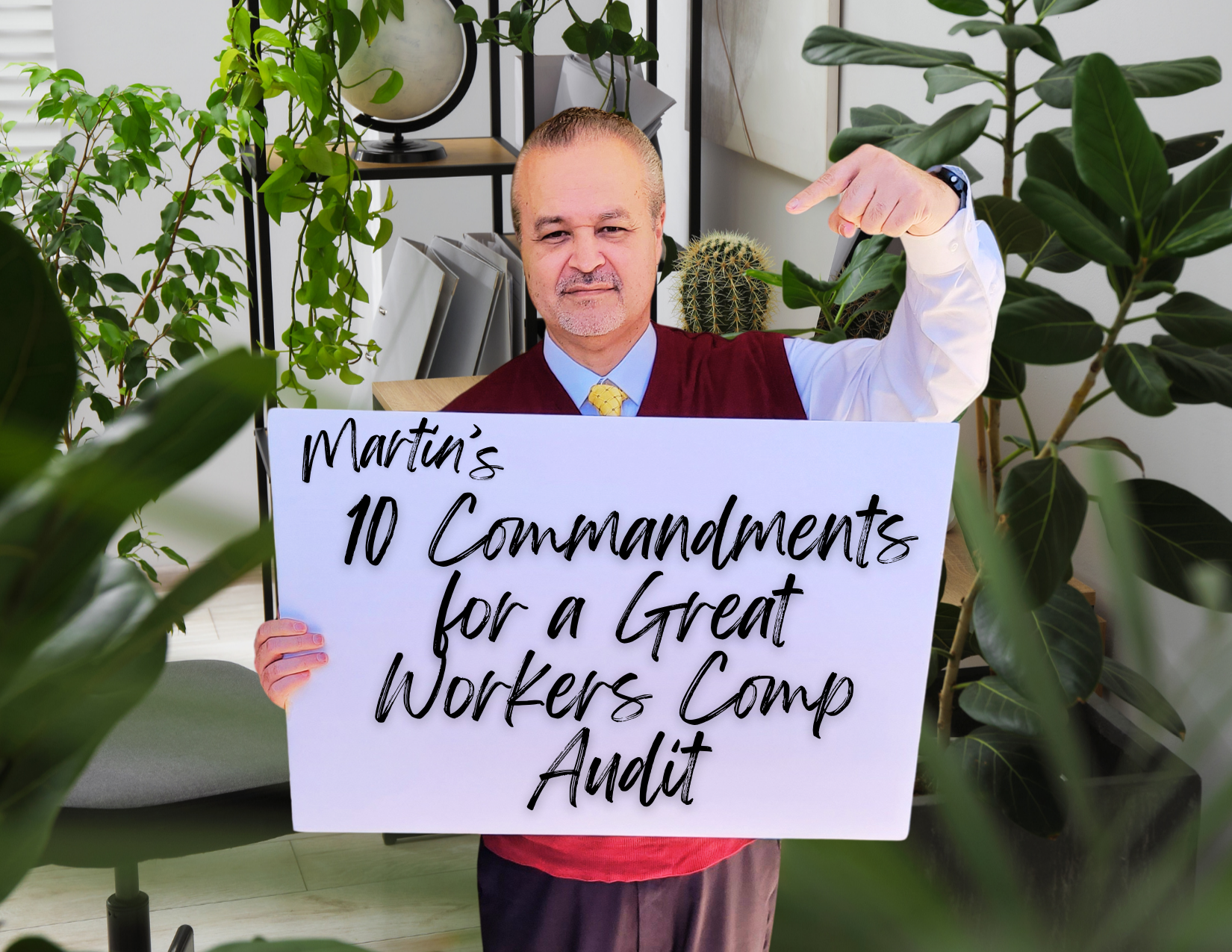
Workers’ comp audits can raise your premium if you’re unprepared. With the right timing, documentation, and guidance, contractors can avoid surprises and protect their bottom line.
If you’re a contractor or business owner, chances are you’ve had that uneasy feeling when you hear the words “workers’ comp audit.”
The truth is, audits aren’t designed to punish you—but lack of preparation can cost you.
According to Martin, Owner and Principal Agent of Neighborhood Insurance Agency in Santa Ana, most bad audit outcomes come down to simple, avoidable mistakes.
Meet Martin: A Local Expert Who’s Seen It All
Martin has been helping contractors and business owners navigate workers’ compensation since 1989. He’s not just an insurance agent—he’s a specialist with advanced credentials, including:
- Certified Commercial Lines Insurance (CLIC) Specialist
- Certified Workers Compensation Insurance Specialist (WCIP)
That means he understands class codes, payroll breakdowns, audits, and compliance at a deeper level—especially for construction and trade businesses.
“Audits don’t have to be scary when you know how to prepare.” — Martin
Martin’s 10 Practical Rules for Surviving a Workers’ Comp Audit
1. Schedule the Audit Smart
If possible, schedule your audit late on a Friday afternoon. Auditors are people too, and a smooth, efficient audit benefits everyone.
2. Don’t Be Unprepared
Have payroll records, job descriptions, and classifications ready. Never assume the auditor already has everything.
3. Be There Personally
Don’t pass the audit to an assistant. As the owner, you should be present, and ideally, have your insurance agent involved—especially early on.
4. Only Answer What’s Asked
Keep answers simple. Don’t volunteer extra details. Listening is just as important as talking.
5. Review Payroll by Class Code
Break payroll down by job duties and departments. If something is misclassified, catching it early can work in your favor.
6. Separate Payroll Categories
Owners, clerical staff, outside sales, and drivers should all be clearly separated when applicable. Proper classification prevents surprises.
7. Have Subcontractor Certificates Ready
If you use subs, keep certificates of insurance on hand. That’s your responsibility—proving anything else is not.
8. Know Your Policy Definitions
Understand how your policy defines payroll, subcontractor costs, and sales. Small misunderstandings can lead to big adjustments.
9. Ask for a Recap Before the Auditor Leaves
Before they go, ask where things stand. This helps you avoid shock when the final numbers arrive.
10. Always Request a Copy of the Audit
You’re entitled to it. Reviewing the audit lets you catch errors and ask questions before it’s finalized.
Why This Matters for Contractors
A workers’ comp audit can affect:
- Your final premium
- Your cash flow
- Your future insurance costs
Preparation isn’t about gaming the system—it’s about accuracy and fairness.
How Neighborhood Insurance Agency Helps
Neighborhood Insurance Agency, established in 1989, works closely with contractors and business owners throughout Santa Ana and Orange County. Led by Martin, the agency focuses on education, preparation, and transparency—so audits don’t become expensive surprises.

👉 Get a quote or talk to us today.
Santa Ana, CA 92705
Reference
Neighborhood Insurance Agency. (2018). Martin’s 10 commandments for an insurance audit on your workers comp [Video]. YouTube. https://www.youtube.com/watch?v=oOZ73eN8hgI